Hi, I’m Ross.
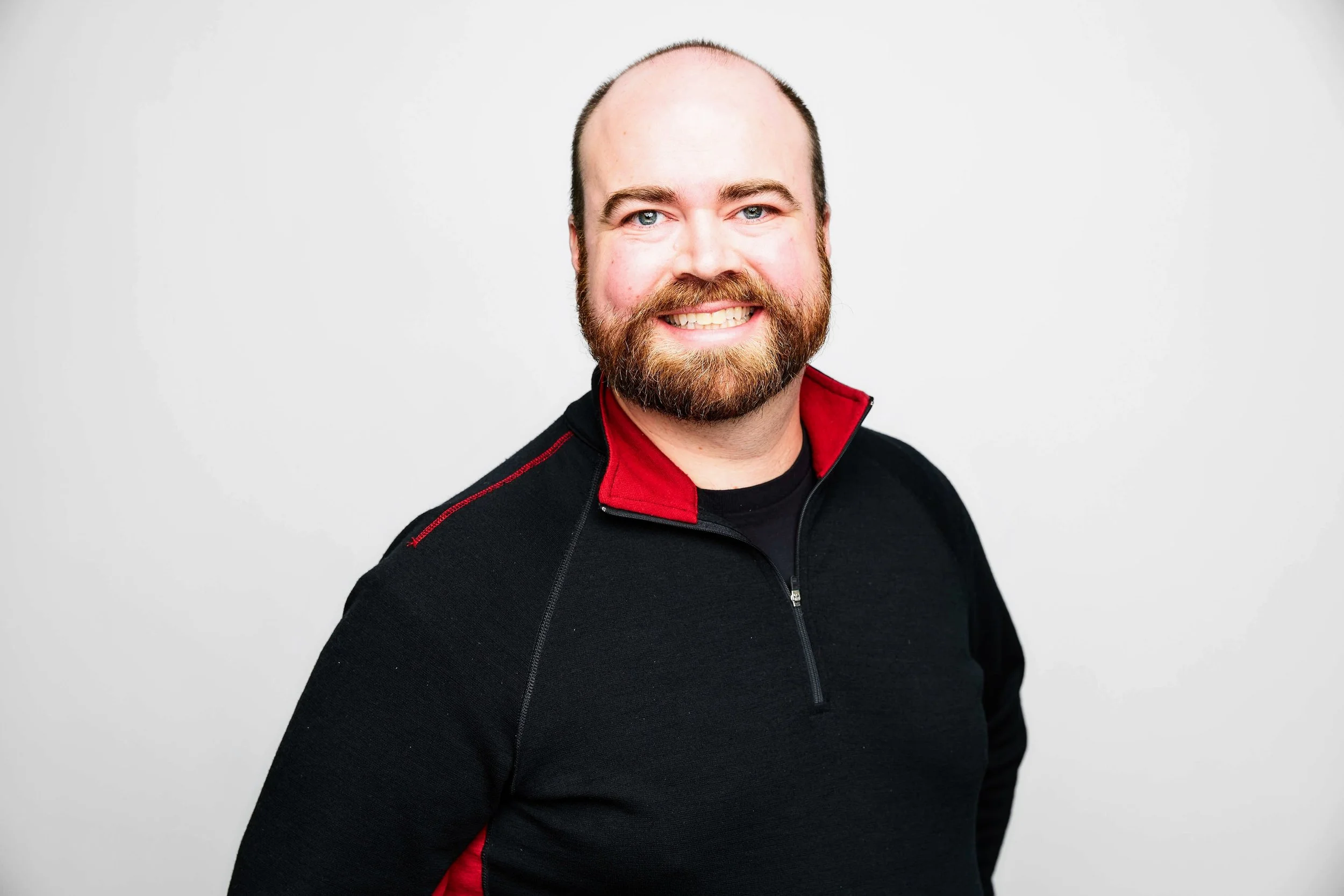
I lead UX research and define evaluation approaches for flagship agentic AI products at Microsoft Azure. I've been researching human–AI interaction since 2016. My work shapes how startup and enterprise cloud professionals adopt and trust AI tools at scale.
Research that defines product strategy

I've been studying how people interact with AI systems since my PhD, when I designed and built a conversational agent for surgical patient education, years before Claude and ChatGPT went mainstream. That work led to a CHI Best Paper I co-authored that extended Nielsen's heuristics for conversational agents.
Today I lead mixed-methods UX research for the Azure Deployment Agent, a 0→1 agentic AI product, focused on trust, control, and human oversight in agentic systems, which was uncharted territory when I started. I defined the research questions, shaped the resulting UX patterns across Azure's suite of agents, presented findings to executive leadership, and directly took an idea from concept to a product announced in preview at the Microsoft Ignite 2025 keynote.
Recently I've also reshaped how I do research by building tools that bring AI into my analysis, synthesis, and reporting workflows. Additionally, I'm defining the evaluation approaches for agentic systems at Azure alongside cross-functional partners. The result: higher-quality work, shipped faster, tailored to its audience.
-
![The CHI 2021 conference logo]()
CHI Best Paper
Extending Nielsen’s heuristics for conversational agents
-
![Azure logo]()
Azure Deployment Agent
Featured at Microsoft Ignite Keynote 2025
-
![University of Washington logo]()
PhD in Health Informatics
University of Washington



Selected projects
Azure Deployment Agent

Leading the research on a 0→1 agentic AI product, currently in preview, defining human-AI interaction patterns in territory where no playbook existed. My work centers on the trust, control, and oversight challenges of handing real work tasks to an AI agent, which is the core of whether enterprises will let agentic systems act on their behalf. Announced at Microsoft Ignite as part of Azure's frontier AI product suite.
Virtual Machine Networking

Directed the UX research behind the redesign of one of the highest-traffic, mission-critical pages in the Azure portal, the surface where cloud and network administrators manage the controls they depend on daily. My research reframed the core problem in a way that unlocked a stalled redesign, which led to increased product adoption, a step-change improvement in user satisfaction, and reduced support burden.
Conversational AI for Patient Education

Designed, built, and evaluated Hernia Coach, a conversational AI agent for surgical patient education, for my doctoral dissertation. Years before LLM-powered agents were commercially available this work established early evidence for patient-facing conversational AI in healthcare. It also produced a CHI Best Paper, co-authored with academic and industry researchers, extending Nielsen's usability heuristics for conversational agents.